Understanding Texas Car Insurance Requirements
Texas is not a no fault insurance state. That means the driver at fault in a car accident is financially responsible for damages and injuries caused to the other driver, passengers, and property. This makes carrying adequate insurance coverage essential, especially in states where OCHO car insurance by state is available to help drivers meet legal requirements affordably.
Mandatory Minimum Coverage: 30/60/25
Texas requires minimum liability coverage of 30/60/25:
- $30,000 for bodily injury per person
- $60,000 for bodily injury per accident (all persons combined)
- $25,000 for property damage liability
These are state minimums. Many Texas drivers opt for higher coverage limits to protect their assets, especially in cities with heavy traffic and high accident rates. If your bodily injury liability limits are too low, you could be personally liable for medical expenses, lost wages, and other damages exceeding your policy limits.
Additional Required Offers
Texas law mandates that insurers offer:
- Uninsured/Underinsured Motorist (UM/UIM) Coverage – Helps with costs from uninsured drivers or drivers with insufficient coverage. You can decline, but must do so in writing. Uninsured/Underinsured Motorist and Personal Injury Protection coverages are often recommended given the number of uninsured drivers on Texas roads.
- Personal Injury Protection (PIP) – Covers medical expenses after an accident regardless of fault, plus related costs like lost wages. Declining also requires a written signature.
Full Coverage Options
Note: while not required by Texas law, full coverage typically adds these protections, and a lender or lease company may require them:
- Comprehensive coverage – Helps cover theft, storm damage, vandalism, hail, flooding, and other non-collision events
- Collision coverage – Helps cover vehicle repairs after an accident, regardless of fault
If you finance or lease your vehicle, your lender will almost certainly require both comprehensive and collision coverage as additional coverage beyond minimum liability.
Electronic Proof and Penalties
Texas accepts digital proof of insurance-images or electronic versions displayed on a phone satisfy legal requirements under Transportation Code §601.081. Your insurance card doesn't need to be printed.
Driving uninsured carries serious penalties: fines, possible driver's license suspension, vehicle registration issues, and potential SR-22 requirements. Texas law mandates that insurance companies charge fair and reasonable rates, but it also strictly enforces the requirement to carry coverage, which is why no deposit car insurance options at OCHO can be a lifeline for drivers struggling with large upfront costs.
Recent Regulatory Changes
As of 2026, several changes affect Texas auto insurance:
- Under HB 2067 (effective January 1, 2026), insurers must provide written reasons for declining, canceling, or not renewing a policy. These reasons are reported quarterly by ZIP code to the Texas Department of Insurance, increasing transparency.
- TAIPA rate increases effective November 1, 2026, include a 2.8% overall increase for private-passenger auto insurance, with specific adjustments including uninsured motorist bodily injury up 4.6% and property damage liability up 0.2%.
- Unearned premium refund rules (28 TAC §5.7015, effective September 1, 2026) require pro-rata refunds when policies are canceled early-important for monthly installment customers.
Common Challenges for Texas Drivers
Many Texas drivers face obstacles such as high upfront costs, difficulty matching payments to irregular pay schedules, or limited credit history affecting their insurance options. These barriers can lead to gaps in coverage or driving uninsured, which carries legal and financial risks, making pay as you go car insurance no deposit options especially valuable for budget-conscious drivers.
Why Comparing Car Insurance Quotes Matters in Texas
With so many insurers and coverage options, comparing quotes is key to finding affordable and adequate car insurance in Texas. Rates vary widely based on factors like your driving record, location, vehicle type, and coverage levels.
By comparing multiple real-time quotes, you can:
- Identify the best coverage for your budget
- Discover discounts and flexible payment plans
- Avoid overpaying or getting stuck with large upfront deposits
Taking the time to shop around empowers you to get the protection you need without unnecessary financial strain.
If you're a working driver in Houston, Dallas, San Antonio, or Austin, you've likely faced this scenario: you need auto insurance to stay legal on Texas roads, but the insurer wants two or three months of premium upfront before they'll bind your policy. For a full coverage policy averaging between $2,422 and $2,498 annually in Texas, that initial deposit can easily exceed $400–$600 out of pocket on day one.
That's a real barrier-especially for drivers paid biweekly, those rebuilding credit, or anyone on a tight budget. Traditional car insurance companies treat large down payments as standard, leaving millions of Texas drivers choosing between financial strain and driving uninsured.
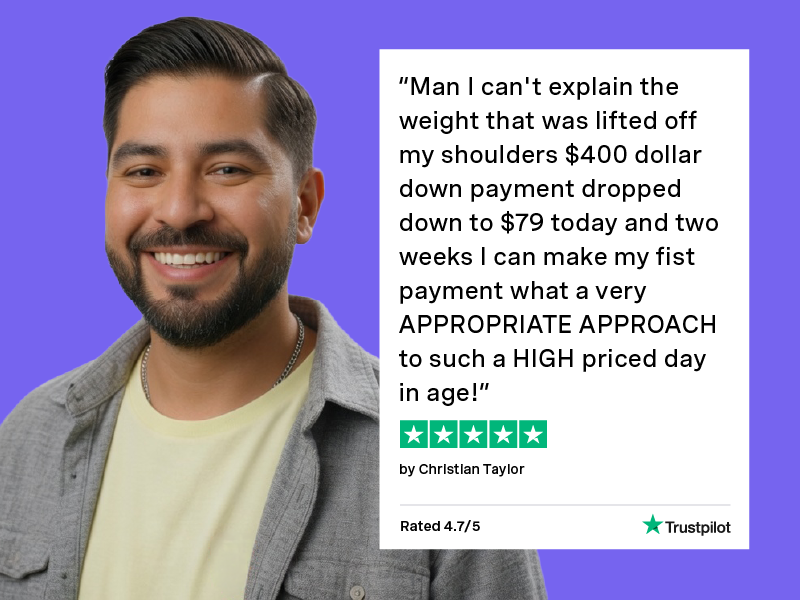
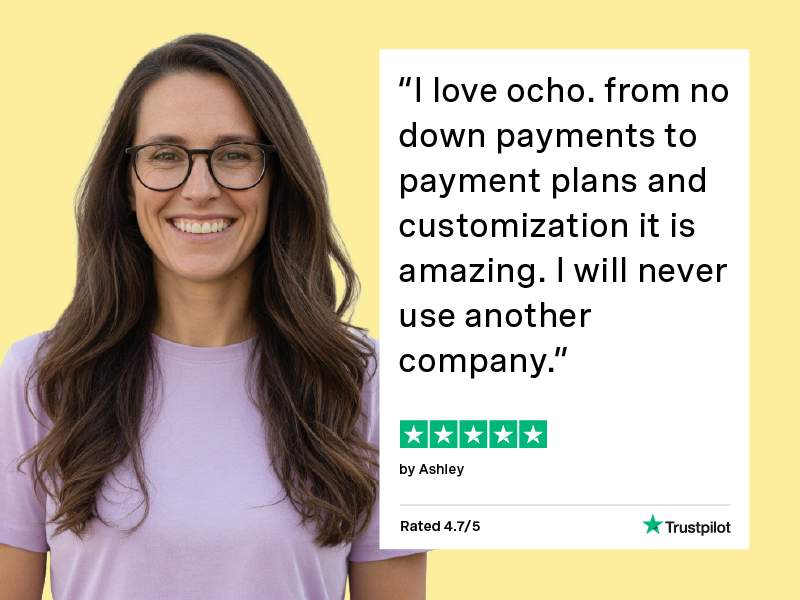
OCHO car insurance comparison with flexible payment options changes that equation entirely. Instead of accepting the first quote from a single insurer, you can compare coverage options from multiple licensed Texas carriers in minutes, then select a payment plan that actually fits your pay cycle. The result: you achieve the required Texas coverage faster and easier, without the major objection that stops most drivers-high upfront costs.