Traditional insurance companies and their insurance company practices love to overcomplicate things, often pushing multiple policies as “solutions” that really just double your costs and headaches. Auto insurance policies are often marketed in a way that confuses consumers about whether they need more than one policy for the same vehicle or driver. OCHO is changing this outdated approach entirely. As an innovative force in the insurance industry, we’ve created no down payment insurance and flexible coverage options that eliminate the need for juggling multiple policies. Before you get trapped in a maze of overlapping coverage and double payments, let’s explore what you really need to know about multiple car insurance policies.
Car insurance is more than just a legal requirement—it’s your financial safety net when life throws the unexpected your way. A car insurance policy protects you from the high costs that can come with accidents, theft, or damage to your vehicle. In most states, having car insurance isn’t optional; it’s the law. But beyond meeting legal requirements, the right car insurance policies can give you peace of mind every time you get behind the wheel. From liability insurance that covers damage you cause to others, to comprehensive and collision coverage that protects your own car, understanding how these insurance policies work is the first step to making smart, confident choices about your coverage.
When it comes to car insurance, there’s no one-size-fits-all solution. Vehicle owners can choose from a variety of car insurance policies to match their needs and lifestyles. A single car insurance policy is designed to cover one vehicle, making it a straightforward choice for most drivers. If you have more than one vehicle in your household, a multi car insurance policy can cover multiple vehicles under one plan—often at a lower combined rate. For those who only need coverage for a short period, temporary car insurance policies offer flexible, short-term protection, perfect for rental cars or when borrowing a friend’s vehicle. Specialty policies are also available for classic cars, luxury vehicles, or other unique rides, ensuring your prized possession gets the right kind of coverage. By understanding these different types of insurance policies, you can select the coverage that fits your car, your budget, and your peace of mind.
Yes, you can legally have multiple car insurance policies – in fact, having two insurance policies on the same vehicle is allowed, but it often leads to complications and unnecessary costs. Managing even one traditional policy means dealing with rigid payment schedules, hefty down payments, and complex terms. OCHO takes a completely different approach with flexible payment options that adapt to your needs without requiring multiple policies.
Traditional insurance models have created several situations where people think they need multiple policies. Let’s examine these scenarios and explore how modern solutions are revolutionizing coverage options. People insure vehicles in various ways—sometimes multiple people insure the same car or take out separate policies due to misunderstandings or unique ownership situations, which can lead to confusion about coverage.
One of the most common reasons people end up with multiple policies is mixing business and personal vehicle use. Traditional insurers often insist you need separate policies, leading to:
OCHO’s innovative approach eliminates this complexity with no deposit coverage that flexibly adapts to both personal and business use. Our comprehensive solutions mean you can:
Complex family arrangements often drive people toward multiple policies. Traditional insurers typically push separate coverage for:
Instead of taking out separate policies for each family member, adding a named driver to your car insurance policy can be a simpler and more cost-effective solution. This allows you to include additional drivers who regularly or occasionally use the vehicle under a single policy, streamlining coverage and reducing administrative hassle.
OCHO’s modern approach simplifies these family situations with customizable coverage options that keep everyone protected without the complexity and cost of multiple policies.
Before falling into the multiple policy trap, understand the true financial impact:
While it might seem like having two separate car insurance policies could offer extra protection, it often leads to higher overall costs. You’ll pay two sets of premiums, and administrative fees can add up quickly. Plus, insurers use a process called “coordination of benefits” to ensure that you cannot claim more money than the actual loss. This means you won’t receive more money by having overlapping coverage—insurers work together to prevent double payouts, so attempting to get more money through multiple claims is not only ineffective but could be considered insurance fraud.
Traditional multiple policy arrangements often mean:
Managing multiple policies creates unnecessary complexity that costs you time and energy:
When you have multiple policies, proper coordination becomes crucial: having insurance policies on one vehicle can create confusion over which insurer is responsible for a claim, potentially leading to delays or disputes during the claims process.
Multiple policies often create expensive redundancies:
Conversely, multiple policies can create dangerous gaps and actually introduce more risk due to potential confusion and complications in coverage:
Not all car insurance policies are created equal—some are built for the long haul, while others are designed for short-term needs. Temporary insurance provides coverage for a limited time, making it ideal for situations like borrowing a car, renting a vehicle, or covering a learner driver who’s just starting out. These policies are flexible and can be tailored to cover just the days or weeks you need. On the other hand, an annual policy is the standard choice for most drivers, offering year-round protection for your car and typically renewing every 12 months. For example, if you drive your vehicle daily, an annual policy ensures you’re always covered. But if you only need insurance for a weekend road trip or while teaching someone to drive, temporary insurance is a cost-effective solution. Knowing when to choose temporary insurance versus an annual policy helps you get the right coverage without paying for more than you need.
It might seem tempting to think that having two car insurance policies on the same vehicle could mean double the payout if something goes wrong—but that’s not how insurance works. Insurance companies have strict rules to prevent what’s called unjust enrichment, which is when someone tries to collect more than the actual value of their loss. If you file a claim with multiple policies for the same accident or damage, insurers will coordinate to make sure you’re only paid once for your loss. This protects everyone from insurance fraud and keeps premiums fair for all drivers. Understanding how unjust enrichment works helps you avoid accidental mistakes that could be seen as insurance fraud, ensuring your claims are handled smoothly and legally.
Instead of juggling multiple policies, OCHO offers innovative solutions. Unlike traditional insurance providers, who may have strict rules and limitations when it comes to managing multiple car insurance policies for different drivers or vehicles, OCHO simplifies the process with flexible options designed for your needs.
Our modern approach adapts to:
Enjoy the benefits of a single, comprehensive policy: managing all your vehicles and drivers under the same policy simplifies your insurance, making it easier to keep track of coverage and payments.
While OCHO usually eliminates the need for multiple policies, some unique situations might require special consideration: In certain cases, people may have car insurance policies with different insurers, either for different vehicles or even for the same vehicle. While this is legally possible, it can add complexity to managing your coverage and claims.
Some scenarios involve:
Unique vehicles might need special attention:
In these cases, a specialty policy can provide tailored protection, higher reimbursement limits, and specific coverage options designed for unique or high-value vehicles that standard auto insurance policies may not adequately cover.
Consider these key factors when evaluating your insurance needs:
Be careful not to accidentally insure the same vehicle twice, as this can lead to unnecessary costs and complications. Double insurance is a common mistake, so always review your policies to ensure you’re not accidentally insuring your car with more than one provider at the same time.
Look at total expenses including:
Assess your protection needs:
Choosing the right car insurance isn’t just about meeting the minimum requirements—it’s about making sure you’re truly protected. By increasing your coverage limits, such as raising your liability limits, you can shield yourself from bigger financial risks if you’re ever involved in a serious accident. Adding coverage options like comprehensive insurance can protect your vehicle from theft, vandalism, or natural disasters. If you own multiple vehicles, insuring them all under one policy can unlock multi vehicle discounts, saving you money while expanding your protection. For example, a family with two or more vehicles can often get a better rate and higher coverage by bundling everything together. With so many coverage options and limits available, you can customize your policy to fit your needs, your budget, and your peace of mind—ensuring you’re ready for whatever the road brings.

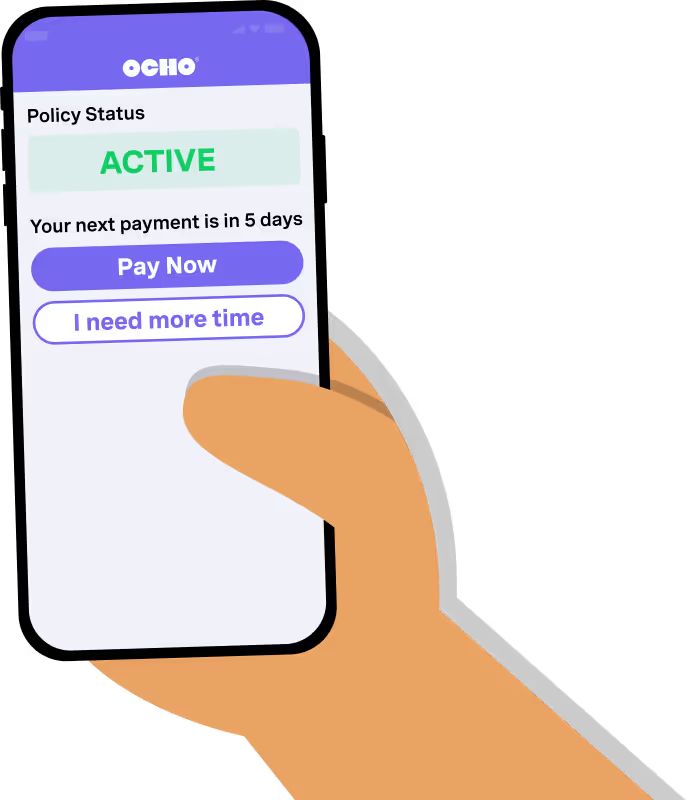
OCHO leverages technology to simplify insurance management: With digital tools, you can easily track and manage your policies, payments, and documents in one place. This is especially helpful if you have multiple vehicles or policies, as technology streamlines your interactions with your car insurance company and helps prevent confusion or conflicts between different insurers.
Modern systems offer:
Take advantage of:

The insurance industry is evolving toward:
Consider these key points when deciding about multiple policies:
While multiple car insurance policies are possible, it is legal to insure the same vehicle with more than one policy, but this is rarely necessary or beneficial. OCHO’s innovative approach provides simpler, more effective alternatives with flexible coverage options, no down payments, and easy policy management. Get the protection you need without unnecessary complexity or cost.
Ready to simplify your car insurance? Get Started with No Down Payment Coverage →

Compare & get covered fast
Find and compare auto insurance in minutes, and get your free credit score.
Choose when you pay
Select payment dates that line up with your payday.
Manage everything in one place
Track your policy, manage payments, and request a payment extension right from your dashboard.




.svg)