If you're driving a car that's seen a few birthdays, you've probably wondered whether your insurance bill should be shrinking along with your car's value. The short answer: usually yes, but not always. Let's break down exactly when an older car saves you money on insurance - and when it doesn't.
Key Takeaways
Car insurance for an older car is often cheaper for full coverage because the vehicle is worth less, but liability costs depend more on your driving record and location than on your car's age.
Collision and comprehensive coverage premiums are cheaper for older cars due to depreciation, and full coverage costs may exceed an older car's value.
Classic car insurance for collectible models is structured differently than standard coverage insurance - it uses agreed value instead of actual cash value and comes with usage restrictions.
At around 8–12 years old, many drivers can save significantly by dropping full coverage if the older vehicle's value is low and they can afford to self-insure out of pocket.
Older cars may not need full coverage insurance, but if financed, lenders may require full coverage insurance regardless.
How Quickly Will I Get an Answer: Is Car Insurance Cheaper for Older Cars?
For most everyday older cars - think a 2012 Toyota Corolla - full coverage insurance is usually cheaper than for a comparable brand new car because depreciation has crushed the vehicle's value. Insurers pay out less if your car is totaled, so they charge you less. It's that simple.
If you carry liability only coverage on an older car but full coverage on a newer car, the older car will almost always be cheaper to insure. Rates for liability-only insurance for older vehicles may be significantly lower than full coverage.
The exceptions? Certain older models with high theft rates, powerful engines, or classic/collector status can cost more to insure than some new cars. The only definitive way to know is to compare car insurance quotes from multiple insurers for your specific vehicle and coverage levels so you can understand how much car insurance should cost for your situation.
How Car Age Affects Insurance Costs
A car's age affects your premium mostly through one mechanism: value.
Insurers base comprehensive and collision coverage premiums largely on the vehicle's actual cash value (ACV). A 2024 sedan worth $35,000 costs more to insure than the same model from 2014 worth $8,000 - same driver, same coverage, big price difference.
Most new cars lose 40–50% of their value in the first 3–5 years. That depreciation steadily reduces insurance costs because insurance coverage limits for older cars are based on depreciated value.
Liability coverage doesn't change much based on vehicle age. It's about the risk you pose on the road - your driving history, location, and how much damage you could cause to others. An older vehicle doesn't move the needle much here.
Repair costs for older cars are generally lower than for newer cars. Replacement parts for older vehicles are often cheaper and easier to source, which helps reduce repair costs and keeps premiums down.
The bulk of any price difference between insuring a new car and an older car lives in the comprehensive and collision portion, not liability.
Older Car vs Newer Car: When Is It Cheaper to Insure?
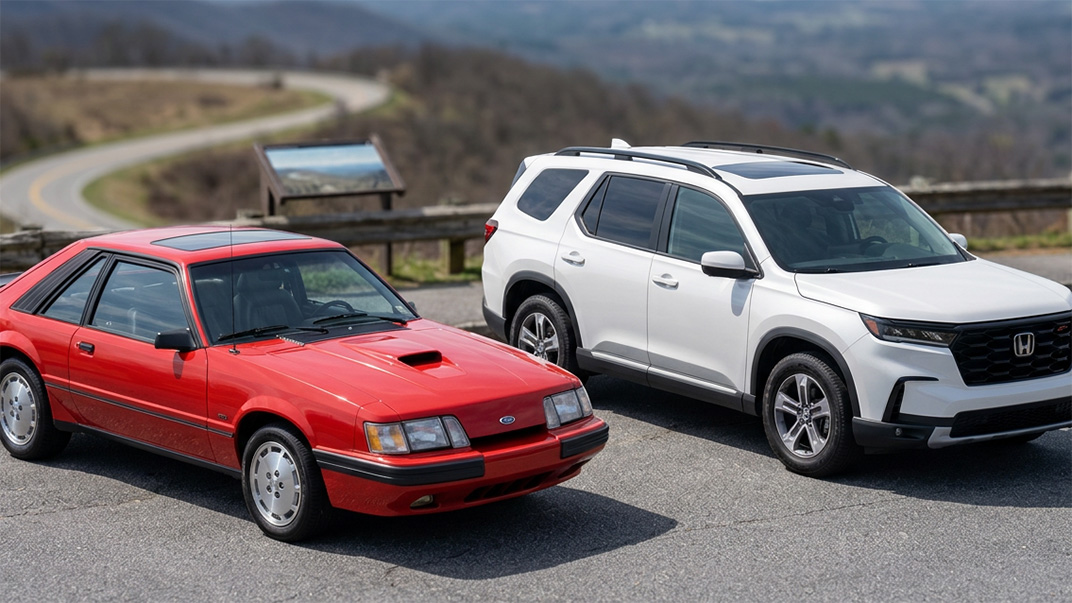
Newer car (e.g., 2023 Honda Civic):
Higher purchase price and advanced technology push up full coverage insurance costs.
Modern safety features and strong crash-test ratings can help lower the liability portion of your premium.
But newer cars tend to have expensive sensors, cameras, and ADAS components that drive up replacement costs after an accident, sometimes canceling out the savings from lower risk.
Older car (e.g., 2011 Honda Civic):
The lower value brings comprehensive and collision premiums way down. Older cars typically have lower insurance premiums than newer cars.
Fewer safety features in older cars can raise liability rates due to higher injury risk, including medical bills for occupants.
A 10-year-old luxury car might not be cheaper to insure than a new economy car - insurers look at the full picture.
Insurers don't just look at vehicle age alone. They use internal risk categories (sometimes called "symbols") that factor in claims history, repair cost, theft rate, and other factors alongside age.
What Counts as an Older Vehicle vs a Classic Car?
Most insurers classify older vehicles as 10 years or older for internal pricing, but they stay on a standard car insurance policy. A 2008 Ford Focus you commute in daily is just an old car.
Classic car insurance is a different animal. It's designed for vintage vehicles - typically 20–25+ years old - that are well-maintained, limited-use, and stored securely. Classic cars require different insurance coverage than standard older vehicles:
Classic policies use an agreed value (you and the insurer set the payout upfront) rather than actual cash value.
They come with mileage limits (often under 5,000 miles/year), storage requirements, and restrictions on daily driving.
Classic car insurance premiums can run $200–$600/year compared to $1,700–$2,300/year for a standard daily driver policy. But insurance premiums can increase if an older car is considered classic with a high agreed value, so it’s important to understand how to read your car insurance policy details.
Do You Still Need Full Coverage on an Older Car?
Full coverage typically means liability plus collision and comprehensive coverage - and sometimes extras like uninsured motorist or personal injury protection. Here's when it makes sense to rethink it:
Once a car is about 8–12 years old, compare the annual cost of collision and comprehensive to the vehicle's current value. Paying $700/year on a car worth $3,000 means your premium is over 20% of the car's value. That math doesn't work.
The widely used "10% rule": if collision + comprehensive costs 10% or more of the car's ACV, it's probably time to drop those coverages.
If you still have a loan or lease, your lender will likely require full coverage regardless of the car's age.
Insurance for older cars allows for liability-only coverage if fully paid off. Drivers can drop optional physical damage coverage for older cars. Switching to liability only can lower your insurance bill significantly.
Dropping comprehensive and collision coverage can result in significant savings - sometimes hundreds of dollars per year. But make sure you have enough savings to handle repairs or replacement out of pocket if something happens.
Other Factors That Can Make an Older Car Cheaper or More Expensive to Insure
Driving record: Accidents, speeding tickets, and DUIs usually have a bigger impact on insurance premiums than whether you drive an older car or a newer car. Drivers' personal records and demographics heavily impact insurance rates. A clean record keeps your costs down regardless of car age.
Use and mileage: Higher annual mileage increases accident risk, affecting insurance rates regardless of vehicle age. An older car driven short distances may qualify for lower risk rates. Some insurers offer discounts for low-mileage drivers, and smart shopping plus discounts are key parts of getting cheap car insurance and saving money.
Safety and anti-theft features: Newer cars come with airbags, stability control, and alarms that create lower risk profiles. Some older models without them see slightly higher liability and comprehensive rates.
Theft and claims statistics: Some popular 1990s and 2000s models rank high on theft lists, which pushes comprehensive premiums up. Higher theft risk for older cars can increase insurance costs despite low book value, so it’s worth knowing how car insurance covers theft and related claims.
Repair costs and parts availability: Mainstream older models with plentiful, inexpensive replacement parts are cheaper to fix. The availability of cheaper parts for older cars reduces premiums. But rare or imported older cars can be an extra expense.
Location and storage: Garaging an older vehicle in a secure area helps offset risk. Parking on the street in a high-claim ZIP code raises rates regardless of age.
Driving habits: How and when you drive - rush hour commuting vs. weekend errands - affects your risk profile and your premium.
Coverage Choices to Lower Insurance Costs on an Older Car
Here's how to turn that aging car into real insurance savings:
Evaluate dropping collision and/or comprehensive: When the premium approaches 10–20% of the car's actual cash value, it's time. For example, if your car is worth $4,000 and you're paying $500/year for collision + comprehensive, that's 12.5% - consider dropping.
Choose a higher deductible: Choosing a higher deductible can lower insurance premiums. Increasing deductibles from $500 to $1,000 on collision and comprehensive can reduce your monthly premiums noticeably, though you'll pay more out of pocket per claim.
Compare liability-only vs full coverage: Get real quotes to see the actual difference. Dropping full coverage can lower insurance premiums significantly for an older car.
Bundle and ask for discounts: Bundling insurance policies (auto + renters/home) may qualify you for discounts. Ask about safe driver, low mileage, and multi-car insurance discounts when insuring multiple vehicles - they apply whether the car is new or old.
Get quotes from multiple insurers: Getting quotes from multiple insurers can reveal better rates. Every insurance provider uses different rating models, so shopping around matters. Make sure the coverage fits your actual needs.
Keep adequate liability: Even on an old car, maintain at least your state's required liability limits. If you have significant assets, consider higher limits - an accident doesn't care how old your car is, and a lapse in coverage can lead to hidden costs and long-term insurance penalties.
Older Car vs New Car: Total Cost of Ownership Beyond Insurance
Insurance is one piece of the budget puzzle. Before you make an informed decision about keeping that older car vs. buying new, consider the full picture:
An older car may be cheaper to insure but can have higher maintenance costs - think transmission failures or timing belt replacements after 100,000 miles.
Many new cars from 2020–2026 model years offer better fuel efficiency or electric drivetrains, which can significantly lower fuel spending.
Some cities have low-emission zones that penalize very old vehicles with extra fees, potentially offsetting insurance savings.
Compare annual insurance costs, fuel, tax/registration, and realistic maintenance for both an older car and a newer car before deciding which truly makes more financial sense.
FAQ
Is liability insurance cheaper for an older car than for a new car?
Not automatically. Liability insurance costs depend more on driver risk - your driving history, location, and the type of vehicle - than on the car's age. A small, low-powered older car might cost less for liability than a high-horsepower new car, but that's a risk difference, not simply an age difference.
At what age is a car considered "old" for insurance purposes?
Most insurers begin to treat cars as "older" around 10 years of age for internal pricing purposes, but they stay on standard policies until they're very old or qualify as collectible. Being "old" doesn't guarantee lower premiums - the car's value, safety record, and claims history matter more than vehicle age alone.
Can an older car ever be more expensive to insure than a new one?
Yes. A 20-year-old high-performance sports car or a heavily stolen model can cost more to insure than a modest new compact car. Rare replacement parts and high theft risk can outweigh the benefit of low book value, making that older model an unexpectedly expensive vehicle to insure.
Do I need classic car insurance for my older vehicle?
If you daily-drive a 15-year-old sedan, standard car insurance is appropriate - not classic car insurance. Classic coverage is typically for vehicles 20–25+ years old that are well-maintained, limited-use, and stored securely. Ask your insurance provider whether your car qualifies if you think it might have collector value.
How often should I re-check insurance quotes as my car ages?
Revisit car insurance quotes every 12–24 months, or after major life changes like moving or an accident. Pay special attention when your car crosses major age milestones - around 5, 10, and 15 years old - since these are natural points to adjust coverage levels and potentially save money.
Getting Insured with OCHO
Whether you're insuring a brand new car or one that's been on the road for years, coming up with the down payment can be the hardest part. That's where OCHO comes in.
OCHO isn't an insurer, but we work with a network of carriers to help you find the right policy, and we finance the down payment so you're covered right away. Instead of paying that lump sum upfront, you pay it off on your own schedule, biweekly or monthly, in a way that fits your budget.
If you're already comparing quotes for your older car, or weighing whether to switch from full coverage to liability only, OCHO's PriceCheck tool can help you see how your current policy stacks up. In fact, 58% of customers who use PriceCheck end up saving around $600.






.svg)