Roadside assistance is on-demand, typically 24/7 emergency services dispatched to help you when your vehicle breaks down. We’re talking about towing, battery service, flat tire changes, locksmith services for lockouts, and emergency fuel delivery—basically everything you need when your car decides to quit on you at the worst possible moment.
Here’s how it works: You call or tap a request in an app, verify your location (often automatically via GPS), describe your problem, and a nearby service provider gets dispatched. They show up, assess the situation, perform the service, and you sign off digitally or on paper. The whole process is designed to get you moving again fast.
How common are these breakdowns? Extremely. Major providers handle tens of millions of calls per year across the U.S. Dead batteries account for roughly 38% of those calls, flat tires about 27%, and lockouts around 22%. With the average U.S. car now over 12 years old, these issues aren’t going away anytime soon.
Here’s something many drivers don’t realize: you might already have roadside help and not know it. It could be embedded in your auto insurance policy, included with your new-car warranty, bundled into a motor club membership, or hiding in your credit card benefits. Before you pay for something twice, it’s worth checking.
OCHO doesn’t operate tow trucks or send out technicians. As a digital insurance agency, we help customers choose policies from partner insurers that can include or add roadside assistance coverage. Our job is to surface your options so you can make an informed decision, and our mission to make insurance more affordable and accessible for hardworking drivers shapes how we design those options.
Almost every roadside assistance plan is built around five core services, with optional extras that vary by provider and price tier. Let’s break them down.
Towing gets your disabled vehicle to the nearest repair shop or a location of your choice, typically within a set mileage limit—anywhere from 5 miles on basic plans to 100+ miles on premium tiers.
Jump starts and battery testing help when you’ve got a dead battery. A technician will use cables or a booster to get you going, though battery replacement costs remain on you.
Flat tire changes use your vehicle’s existing spare. If you don’t have a usable spare or the tire damage is severe, you’ll likely need towing instead.
Lockout service gets you back into your car when keys are locked inside, using tools like slim jims or inflatable wedges. Key replacement isn’t included—that’s a separate cost typically running $100–$300.
Emergency fuel delivery brings 2–5 gallons of fuel to your location when you run dry. You pay for the fuel itself; the delivery is what’s covered.
Some plans also include minor auto repairs on-site—think tightening a loose battery cable or replacing a blown fuse. This isn’t full mechanical work, just enough to potentially get you home.
Higher-tier plans may add winching if you’re stuck in mud or snow, trip interruption reimbursement for lodging and transport when breakdowns strand you far from home, and coverage for trailers or RVs. Exact coverages, caps, and exclusions always depend on your specific contract, so read the fine print.

In 2026, drivers can get roadside help from four main sources: automakers, car insurance companies (including through OCHO partners), full-service motor clubs, and some credit cards or specialty providers.
Each source works differently and fits different situations. A new-car owner has different needs than a budget driver with a 15-year-old vehicle. The goal here is to compare how each option works, who it fits best, and how it interacts with your existing auto insurance.
When you use OCHO to compare insurance quotes, you might see roadside assistance as an add-on or built-in feature from different carriers. Understanding your options helps you make the right choice, especially if you follow a complete guide to shopping smart with free auto insurance quotes.
Many new and certified pre-owned vehicles from model years 2021–2026 come with complimentary roadside assistance for the duration of the basic or powertrain warranty. Hyundai, for example, offers 5 years with unlimited miles. Ford provides 5 years or 60,000 miles.
The catch? Coverage is usually limited to brand-authorized dealerships or specified repair networks. You might not get towed to your preferred independent mechanic down the street.
This is ideal if you recently bought or leased a new vehicle and want low extra cost. But once your warranty expires—or if your family has a mix of older vehicles—manufacturer coverage leaves gaps.
Typical exclusions include commercial use, off-road incidents, vehicles over certain weight limits, and damage from abuse or racing. If your factory roadside coverage is about to expire, OCHO can help you find an insurance policy that adds affordable roadside assistance without joining a separate motor club; you can also review a complete guide to roadside assistance coverage and benefits to understand what level of protection you really need.
Many auto insurers sell roadside assistance as an inexpensive add-on, often just a few dollars per month per vehicle. It attaches to your liability or full-coverage policy, making it convenient if you’re already shopping for insurance.
These plans usually cover all listed drivers on the policy when operating covered vehicles—great for households with multiple cars. Pricing typically ranges from $10–$30 per year per car for basic towing to the nearest shop, jump start assistance, and lockout help.
One thing to watch: some insurers treat frequent roadside calls as minor claims, which could potentially affect your premiums. Ask upfront if service calls are recorded as claims before you add coverage.
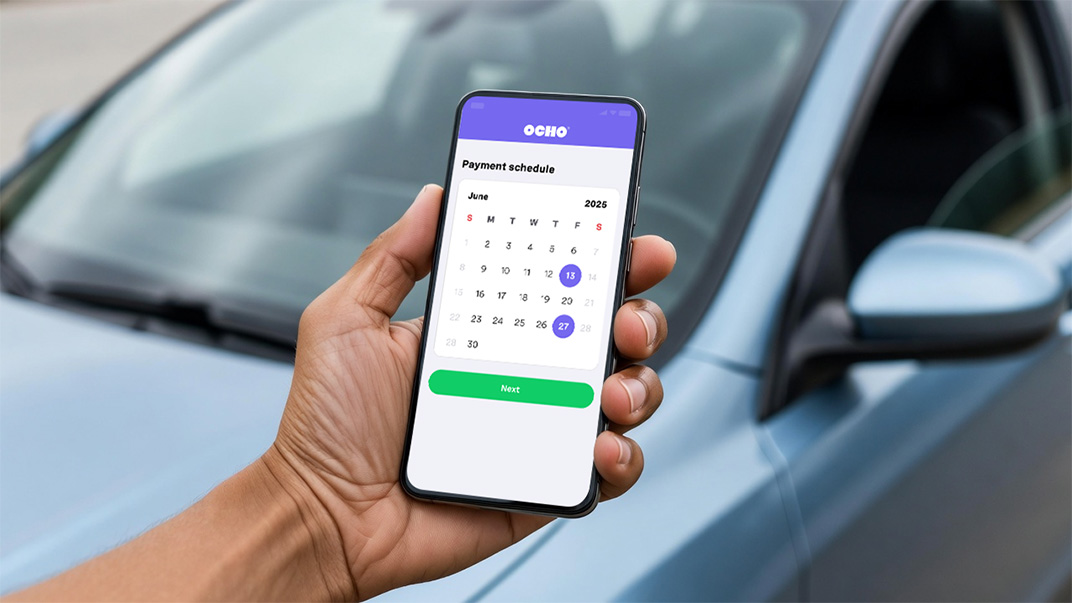
OCHO’s quote-comparison experience shows when roadside assistance is available as an add-on, how much it costs for each carrier, and how it fits into your financing schedule. If you’re paying bi-weekly, that roadside add-on gets rolled right in.
Full-service motor clubs like AAA, Good Sam, and Better World Club charge annual fees—typically $50–$160 per year in 2026—and provide towing, lockouts, battery service, and additional perks like hotel discounts, rental car deals, and shopping benefits.
A key advantage: these memberships usually follow the person rather than the vehicle. AAA members are covered whether they’re driving their own car, a friend’s car, or even riding as a passenger. Some plans extend family coverage to a domestic partner and dependent children in the same household.
Membership tiers matter. A basic plan might limit you to towing the nearest gas station within 3–7 miles, while premium levels offer 50–100+ miles of towing and more generous trip interruption benefits with lodging reimbursement.
For infrequent drivers who mainly commute locally, a high-priced club membership might be overkill. Adding basic roadside assistance through an insurance policy found with OCHO could save money while still keeping you protected, especially once you understand how OCHO works to match you with the right policy and payment setup.
Plus, standalone club memberships add yet another bill to manage. OCHO customers can consolidate essential coverage and payments into one predictable insurance schedule.
Certain credit card companies and issuers provide limited roadside assistance in 2026, often as pay-per-use services. Visa cards and similar programs typically charge a flat dispatch fee ($70–$90 per event) plus towing costs beyond a set number of miles.
That structure makes total costs variable and sometimes surprisingly high. A single incident could run $150–$400 when you add up all the charges.
Specialty providers like telematics or connected-car services (built into many late-model vehicles) bundle roadside assistance with features like crash detection and stolen-vehicle assist. These can be convenient but often require monthly subscriptions.
Credit card or specialty plans work as a backup if you rarely drive or don’t want an annual membership. But they’re not a substitute for comprehensive coverage if you have an older vehicle or a family that depends on reliable transportation.
OCHO focuses on the insurance side and doesn’t manage card-based roadside programs. You should still confirm benefits directly with your bank or automaker while using OCHO to optimize your insurance and payment plan, and our customer support and FAQs can help if you’re unsure what OCHO does and doesn’t cover.
Costs vary widely by provider type, coverage depth, and whether the benefit is standalone or bundled. Here’s what to expect:
Cheaper plans often come with shorter towing limits (5–15 miles) and stricter service-call caps (three to five service calls per year). Premium tiers offer longer tows and more calls but cost more.
Watch for hidden costs: extra per-mile towing charges beyond your limit ($3–$5 per mile is common), service fees in remote areas, or potential insurance premium impacts if your carrier counts roadside calls as claims.
OCHO helps budget-conscious drivers weigh these costs against other expenses—like state-minimum liability limits, comprehensive coverage, and interest-free down payment financing—so roadside help fits into an overall monthly budget without surprises, while our platform delivers easy, free car insurance quotes with flexible payment options.
Nearly any driver can benefit from roadside assistance, but some groups face higher risks for costly or dangerous breakdown scenarios.
Drivers of older vehicles (8–10+ years old or 100,000+ miles) are statistically more likely to experience battery failures, cooling system problems, and tire issues. With the average U.S. vehicle now 12.5 years old, that’s a lot of potential breakdowns.
Highway commuters and gig workers—rideshare and delivery drivers especially—depend on their vehicles for income. A breakdown doesn’t just mean inconvenience; it means lost wages that could total $200–$500 per hour of downtime.
Families who take road trips benefit from trip interruption coverage and extended towing that gets them to safety far from home.
Working-class drivers with tight budgets may not have spare cash for an unexpected $200–$400 tow or lockout service. For these drivers, a small breakdown without coverage can trigger missed shifts, lost income, or even job loss.
Pairing roadside assistance with an affordable auto policy and OCHO’s $0- or low-down payment financing prevents a dead battery from becoming a financial catastrophe; exploring no deposit car insurance options through OCHO can make that combination even more accessible.
OCHO is a digital auto insurance agency and broker—not a direct insurer—that helps U.S. drivers compare real-time quotes from multiple partner carriers. Think of us as your shortcut to finding coverage that actually fits your budget.
Our core features make insurance accessible:
Many insurance lapses happen because drivers can’t afford a large lump-sum down payment. OCHO’s financing keeps policies active—which means any roadside assistance included in those policies stays in force too.
Some partner carriers offer optional roadside assistance for a small extra cost. OCHO surfaces this in the quote process, showing how adding the benefit changes your total and installment amounts. No surprises.
Additional advantages include no late fees from OCHO on the financed portion, extra time to pay without penalty, and the opportunity to build credit through on-time payments when reported to credit bureaus; our frequently asked questions about OCHO’s insurance and payment options go deeper into how this works.
Getting roadside assistance is smart. Using it effectively is even smarter.
Save your roadside assistance number in your phone, glovebox, and insurance app. Know whether your plan prefers requests via phone, app, or web form before you need help at 2 AM.
Confirm your limits ahead of time. How many miles of towing? How many service calls per year? What are wait time expectations in rural versus urban areas? Is every household member covered?
Reserve roadside help for genuine emergencies—stuck at night, unsafe shoulder, mechanical failure that leaves you stranded. If you can safely handle a minor issue yourself (like topping off washer fluid at a gas station), you avoid burning through limited annual service calls.
Practice preventive maintenance. Monthly tire pressure checks help you avoid that 27% of calls for flat tires. Battery tests every year or two reduce your odds of joining the 38% who call for dead batteries. Following your oil and fluid schedule pays off in fewer breakdowns overall.
Roadside assistance fits into a broader protection plan that includes legally required liability coverage and, where appropriate, collision, comprehensive, and uninsured motorist protection. It’s not a substitute for insurance—it’s a complement.
While roadside assistance is optional, it’s often one of the lowest-cost upgrades with some of the highest peace of mind value. This is especially true when you’re driving older vehicles or living far from repair shops.
A typical OCHO user might proceed like this: enter details online, compare multiple quotes side by side, toggle roadside assistance on or off for each carrier, and choose the combination of coverage, roadside help, and payment schedule that fits their budget.
For many working-class drivers, the real question isn’t “Can I afford roadside assistance?” It’s “Can I afford to be stranded without insurance or help?” OCHO’s financing is designed to make “yes” the realistic answer.
Ready to find coverage that fits your life? Check quotes with OCHO today. Fast online process, real-time prices from multiple insurers, and potential for same-day coverage with instant proof of insurance—backed by real customer reviews highlighting OCHO’s affordability and flexibility.
No. Roadside assistance is a separate, optional service that helps when your car breaks down—think towing, jump starts, and lockouts. Auto insurance pays for covered damages and liability after accidents or other covered events. Some policies include roadside assistance as an add-on, but it doesn’t replace required liability or other coverages. OCHO helps customers find and finance the main insurance policy first, with roadside assistance available as an optional add-on from many partner carriers.
It depends on the insurer. Some treat frequent roadside calls like small claims, which can potentially affect future premiums. Other services don’t count toward claims at all. Ask your insurer or agent whether roadside service calls are recorded as claims before adding coverage. Using assistance for true breakdowns and safety issues—rather than routine convenience—helps avoid excessive usage that might concern some carriers.
Many motor clubs and some credit card programs cover vehicles regardless of insurance status. However, driving without legally required auto insurance is illegal in almost every U.S. state. Roadside assistance isn’t a substitute for liability or state-mandated coverages. Driving uninsured can lead to fines, license suspension, or vehicle impoundment. OCHO’s priority is helping drivers secure affordable, legal auto insurance first, then layer on roadside assistance when available.
Coverage depends on how your plan is structured. Person-based memberships (like many motor clubs) often follow you into rental or borrowed cars. Vehicle-based plans tied to an insurance policy typically only apply to listed vehicles. Check your plan’s fine print to confirm whether rentals or borrowed cars are included and whether any registration is required. Households frequently using rentals should consider person-based coverage or verify their insurer’s roadside option covers them as drivers.
Check three places: your current auto insurance declarations page, your vehicle’s warranty or owner’s manual, and your major credit card benefits guides. If documents are unclear, call your insurer, automaker, or card issuer and ask specifically about towing limits, service-call caps, and which drivers or vehicles are eligible. When shopping through OCHO for a new policy, we surface which quotes include or offer roadside assistance—helping you avoid paying twice for the same benefit.
Compare & get covered fast
Find and compare auto insurance in minutes, and get your free credit score.
Choose when you pay
Select payment dates that line up with your payday.
Manage everything in one place
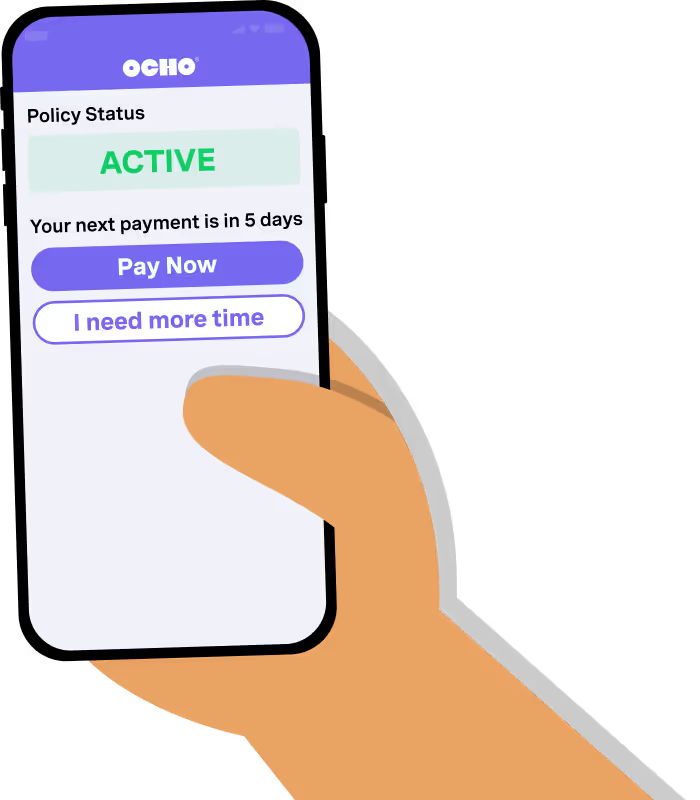
Track your policy, manage payments, and request a payment extension right from your dashboard.




.svg)