Telematics-based insurance is pitched as a win-win: drive safely, get rewarded with a lower rate. That pitch isn't wrong, exactly - but it's incomplete. What most drivers don't realize when they plug in the device or download the app is that the same data used to lower your rate can also be used to raise it, flag you as risky for things you can't control, and even work against you in a claim. Before you opt in, it's worth understanding how the technology actually works - and where the savings story starts to break down.
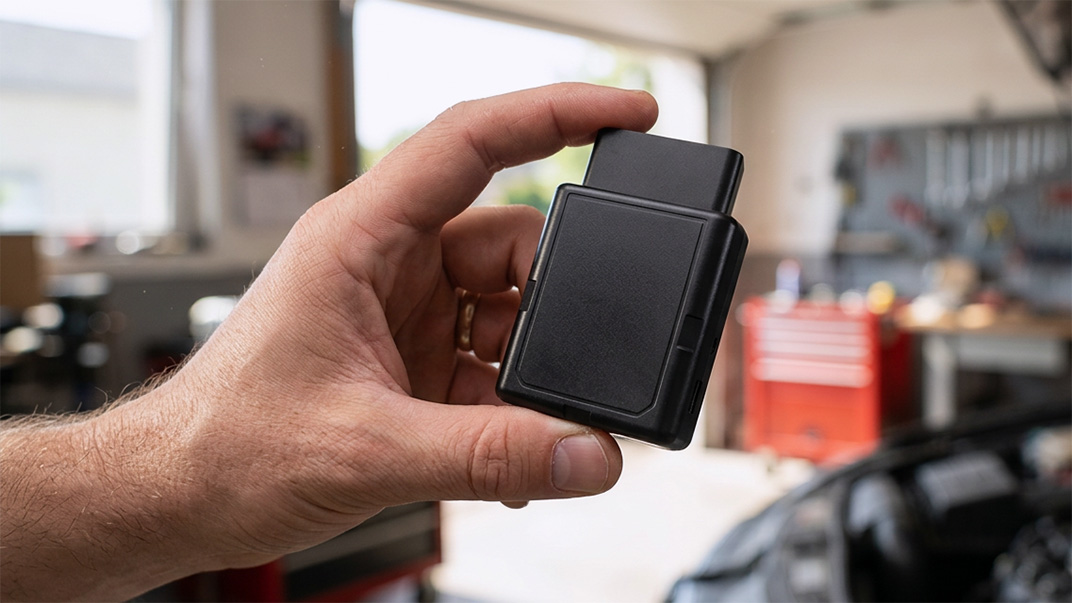
At its core, telematics technology is the combination of telecommunications, GPS tracking, information technology, and data analytics used to collect and transmit real-time information from vehicles and other mobile assets. It started showing up in the automotive industry in the late 1990s, originally just tracking mileage. By now, vehicle telematics has evolved into a full picture of how, when, and where you drive.
Telematics is technology that captures your actual driving behavior - not your age, your zip code, or your credit score, but what you do behind the wheel. Insurance carriers use it to build a picture of how you accelerate, brake, corner, and how much (and when) you drive. Telematics combines telecommunications and informatics to monitor remote assets, whether that's a single sedan or an entire vehicle fleet.
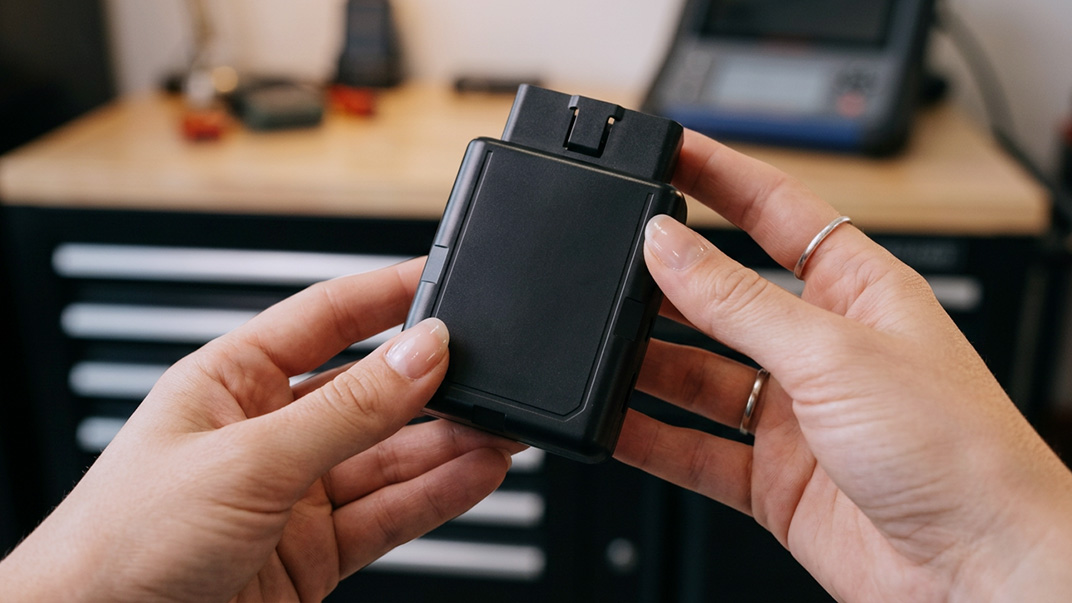
It comes in two forms:
Either way, the carrier is collecting a running log of your trips: speed, hard-braking events, rapid acceleration, sharp turns, time of day, total mileage, fuel consumption patterns, and - in the case of app-based programs - whether you're touching your phone while the car is moving. GPS technology and the global positioning system are what make vehicle location tracking possible in the first place.
Understanding how telematics work requires knowing the basic data flow. Telematics technology uses a combination of wireless data transmission and cloud analytics to turn raw driving events into actionable scores and reports.
Here's the simplified chain:
Modern telematics systems can also integrate video telematics - dashcams that record driving events for proactive driver coaching, adding visual context that raw sensor data alone can't provide. In 2010, the AEMP released the first telematics data standard, which helped standardize how equipment data flows between manufacturers and telematics platforms, enabling interoperability across the industry. Telematics enables real-time vehicle location tracking via GPS, and telematics can automatically extract engine data for maintenance without manual intervention.
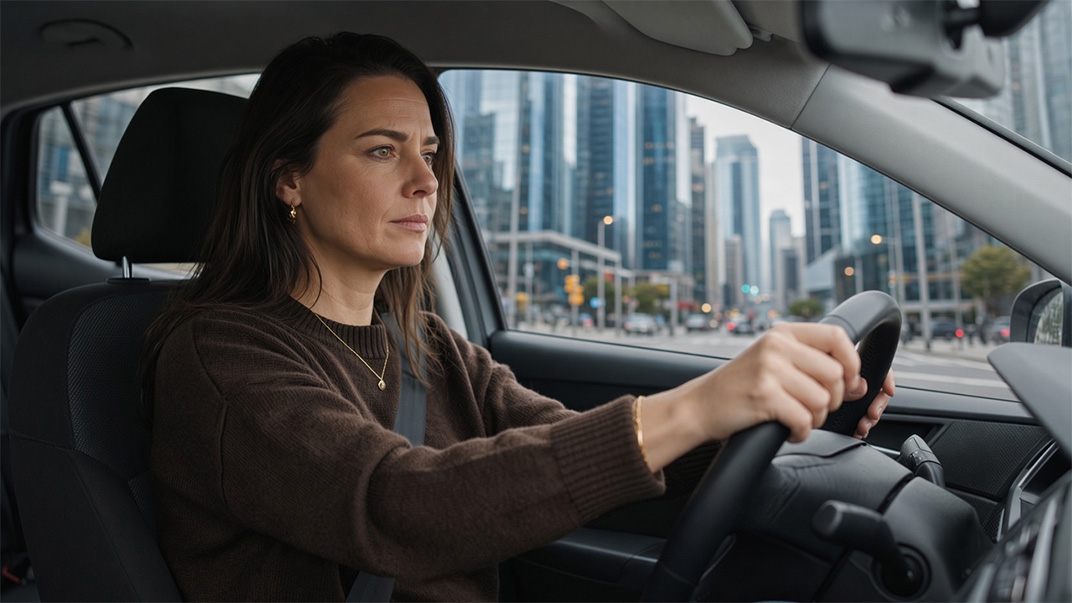
Here's the sales pitch, and it's genuinely appealing: instead of pricing your policy based on broad statistical categories - your age bracket, your credit tier, where you live - the carrier prices it based on your actual driving. Drive safely, and you're rewarded with a discount instead of subsidizing riskier drivers in your demographic.
Carriers frame this as an alignment of incentives. Safer drivers can receive lower insurance premiums through UBI. Safer driving means fewer accidents, fewer claims, and lower payouts - so the carrier passes some of those savings back to you. Telematics can help reduce auto insurance costs significantly for careful, low-mileage drivers. Most programs advertise an enrollment discount just for signing up, with the promise of a bigger discount once your driving data comes in and confirms your safe driving habits.
That part of the story is true. The part that doesn't get top billing is what happens next.
This is the piece that matters most, and it's the one most telematics marketing glosses over: enrolling doesn't lock in a discount. It hands the carrier ongoing authority to adjust your rate - up as well as down - based on what the data collected shows. According to Maryland's 2025 telematics survey, approximately 23.6% of telematics policyholders - roughly 62,233 out of 263,703 - saw their rates increase at renewal due to their telematics score.
Telematics can genuinely save careful, low-mileage drivers money. But "genuinely safe driver" and "driver the algorithm scores well" aren't always the same thing. Before you enroll in a telematics program, get clear answers to a few questions:
Ask your carrier - or your agent - these questions directly, and get the answers in writing if you can. A program that can't or won't answer them clearly is telling you something on its own.
The data collected by telematics systems goes far deeper than "where is the car." Here's what telematics providers typically capture and how it's used - whether for insurance scoring or business operations:
Telematics systems automate vehicle maintenance alerts and diagnostics, and telematics streamlines complex vehicle maintenance operations. Telematics improves operational efficiency by monitoring vehicle performance, providing visibility into vehicle performance and operational metrics, and enabling real-time monitoring of vehicle conditions. Vehicle health data - tire pressure, battery voltage, the vehicle's performance under load - is increasingly part of what telematics platforms capture. GPS data and location information can be stored for years, useful for trend analysis, audit trails, and accident reconstruction.
Telematics extends well beyond cars and trucks. Applications of telematics extend beyond vehicles into industries like healthcare and agriculture, wherever high-value mobile assets need monitoring.
Telematics can reduce fuel costs by optimizing route planning for delivery and service fleets, while also providing the data backbone for compliance, safety, and business operations reporting.
Usage based insurance is the formal name for car insurance programs that tie your premium to how you actually drive, rather than just who you are on paper. There are two main flavors:
Usage-based insurance correlates premiums with real-time driving behavior. Telematics data helps insurers assess risk and adjust premiums at renewal - sometimes down, sometimes up. The marketed benefits of telematics from an insurer's perspective include potential discounts for safe or low-mileage driving, personalized driving feedback, and theft recovery support.
But here's the tradeoff: those same telematics providers and platforms that collect data to reward safe drivers also collect data that can raise your insurance costs. According to a 2024 Consumer Reports survey, the median annual savings for telematics users was just $120 - far less than the 30-40% discounts many programs advertise.
Picture this: you're a healthcare worker in Houston, working the 7 p.m. to 7 a.m. shift. You drive carefully, never speed, and haven't had an accident in years. You sign up for a telematics program expecting a discount. Three months later, your rate goes up - because the algorithm sees consistent late-night driving, frequent braking in urban traffic, and high monthly mileage. None of that reflects how well you drive. It reflects when and where you drive, and those are things you can't change.
This isn't hypothetical. A 2026 LendingTree survey found that while 66% of telematics users reported lower premiums, 11% saw increases. And research shows that roughly three months of driving data - about 2,500 miles - is often enough for insurers to classify your risk. That's a short window for a decision that sticks with you.
Here's what can quietly drive your insurance costs higher:
Telematics improves driver safety by monitoring risky behaviors, and driver coaching from telematics can reduce incidents on the road. But "monitoring" cuts both ways when the data is also feeding your premium calculation.
Telematics programs can work well for some drivers - particularly those with short commutes, daytime schedules, and suburban or rural driving patterns. But before you plug in a device or download an app, arm yourself with answers:
Keep screenshots of app permissions, program terms, and any written responses. An independent agency like OCHO can help you interpret these answers and compare non-telematics alternatives that may be more predictable over time.
On the positive side, telematics-based coaching programs genuinely improve safety. Telematics identifies speeding and harsh braking to improve safety, and programs that provide real-time feedback can reduce risky driving behavior by roughly 20-25% over several months. For commercial fleets, this translates directly to fewer accidents and lower costs. Telematics enables real-time monitoring of vehicle conditions, which lets fleet operators catch mechanical issues before they cause breakdowns - or worse.
But there's a privacy cost. Continuous location tracking reveals where you live, where you work, your daily routines, and your schedule. That location data has implications beyond insurance - data sharing, potential law enforcement access, and profiling are all real concerns.
Evolving U.S. regulations are starting to catch up. New York's proposed Assembly Bill A7710 would require insurers to collect telematics data only with explicit consent and only for specified purposes. California's CCPA/CPRA treats precise geolocation as sensitive personal information with strict data protection requirements.
For individual drivers: review your app permissions regularly, check your insurer's dashboard to see what's being recorded, and understand your state's privacy protections before opting in. For fleets, clear driver policies explaining what's monitored, how long data is kept, and who can access it are essential to building trust.
OCHO is a U.S. online auto insurance agency and finance company built for drivers who struggle with high upfront insurance costs - not for drivers who want to hand over a running log of every trip they take.
Here's what OCHO does differently:
Whether you're weighing a telematics discount or just want a policy priced in plain terms with no surprises, OCHO can help you compare your options and get a quote in minutes. Get a quote with OCHO →
Telematics systems are evolving fast in the mid-2020s, driven by artificial intelligence, electric vehicles, and tighter safety expectations across the automotive industry.
The technology will only get more powerful. The question for drivers is whether the rules around it will keep pace.
No. Telematics can lower costs for genuinely low-mileage, consistently careful drivers, but for many people with long or irregular commutes, frequent night driving, or urban stop-and-go traffic, it can actually increase premiums after the initial monitoring period. The median savings reported by telematics users is about $120 per year - and roughly 1 in 4 policyholders in Maryland saw rate increases at renewal.
GPS tracking is one component of telematics, focused specifically on vehicle location. Full telematics systems also capture driver behavior, engine diagnostics, fuel efficiency, trip timing, and sometimes video and cargo data. Think of GPS as the "where" - telematics is the "where, how, when, and how well."
In many U.S. policies, yes. Insurers often reserve the right to use telematics data in claims, including determining fault and calculating payout amounts. Some carriers, like Progressive, explicitly state this in their privacy policies. Always check your policy language and ask your agent before enrolling.
Not necessarily. Many newer cars already have embedded telematics connectivity, and most major insurers now offer app-based programs that use your phone's sensors instead of a plug-in device. Some programs still mail OBD-II dongles, but the trend is moving toward app-only telematics solutions.
Yes. OCHO can show you quotes from insurers that do not require telematics programs, helping you find affordable coverage and flexible payment plans without continuous driving surveillance. If you want to keep your driving data private and still get a fair rate, that's exactly what OCHO is built for.
Compare & get covered fast
Find and compare auto insurance in minutes, and get your free credit score.
Choose when you pay
Select payment dates that line up with your payday.
Manage everything in one place
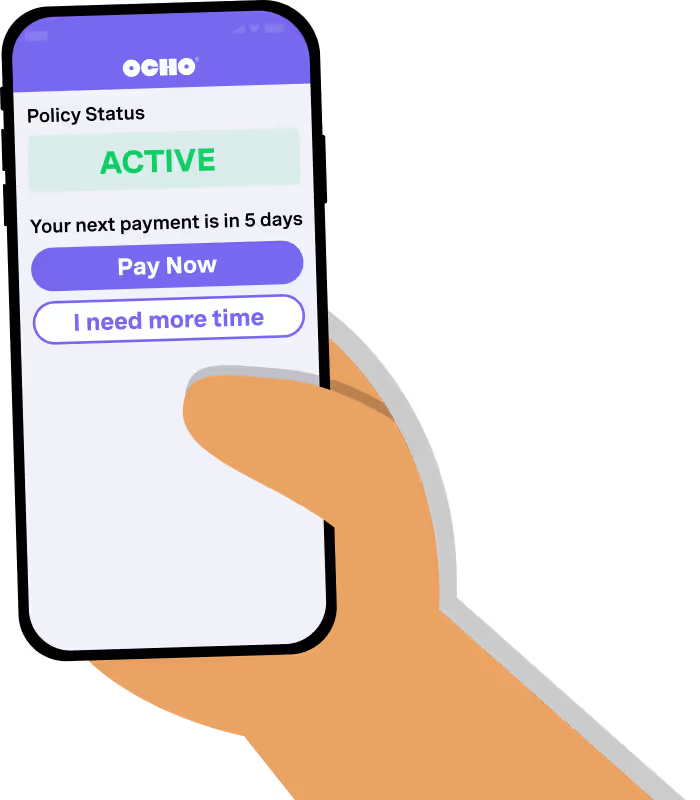
Track your policy, manage payments, and request a payment extension right from your dashboard.




.svg)