Need car insurance in Texas for just a few days or weeks? Here's the reality most websites won't tell you straight: true daily or weekly temporary car insurance barely exists in the Lone Star State. Most licensed insurers in Texas don't sell one-day or one-week policies, so short-term drivers usually use a standard six-month policy and cancel early, rental car coverage, or non-owner insurance instead.
If you're borrowing a car, test driving one, visiting Texas temporarily, or insuring a vehicle you plan to sell, the right option depends on how long you'll drive and whether you own the car. Texas requires liability coverage any time a vehicle is driven on public roads, even for a brief trip, so choosing the right short-term solution can help you stay legal, avoid scams, and keep costs down. This guide explains what temporary car insurance in Texas really means, which alternatives are available, how pricing and cancellation work, and where you may be able to save.
Let's cut to it. True "daily" or "weekly" temporary car insurance is almost never sold by licensed carriers in Texas. Most drivers who need short term coverage end up using a six month policy (and canceling early), rental coverage, or non owner car insurance. Temporary car insurance in Texas averages $115 to $150 monthly when structured this way.
Texas law requires liability auto insurance any time a car is driven on public roads - even if you only need it for a single afternoon. No exceptions.
The most realistic way to purchase temporary car insurance in Texas is to buy a standard six-month car insurance policy, then cancel it once you no longer need the vehicle. Refunds for unused premiums are common when canceling policies early, so you're not throwing money away.
Other short term auto insurance options include:
A few things to keep in mind:
Temporary car insurance refers to any auto insurance coverage used for a short term or limited duration - from a few days up to a few months - even if the underlying insurance policy is written for six months. Temporary car insurance typically covers a few days to several months depending on the situation. Standard car insurance typically lasts six months to a year.
Here's the key: Texas law doesn't recognize a special "temporary" policy type. The state only cares that you carry an active auto policy meeting the minimum liability limits - the "30/60/25" requirement - while driving. Regular Texas auto policies are generally written for six or twelve months. Standard auto insurance policies typically last six months or longer.
When people search for "texas temporary car insurance," they usually mean coverage for short term needs like borrowing a car, test driving a private sale vehicle, or insuring a car they plan to sell soon. Temporary insurance is ideal for short-term vehicle use and short-term driving needs.
Insurance coverage under a temporary arrangement includes the same types as any standard car insurance policy - liability coverage, collision coverage, comprehensive coverage, and optional add-ons like underinsured motorist coverage when available - just held for a shorter period.
Quick recap:
"True" short term car insurance would mean policies explicitly sold for a few days or weeks with an automatic end date. Think daily or weekly car insurance that expires on its own.
Reality check: major Texas auto insurance companies as of 2026 almost never sell policies shorter than six months. Most insurers do not offer policies shorter than six months. Those advertising one-day or seven-day stand-alone insurance products are often non-admitted carriers or outright scams.
Specialized commercial, rideshare, or dealership policies may offer different time frames, but these are not typical consumer temporary car insurance products.
⚠️ Warning: Any website claiming to sell one-day temporary insurance in Texas should be verified. Always check that the insurance company is properly licensed through the Texas Department of Insurance before handing over payment. Policies from non-admitted carriers mean no guaranty fund protection if the insurer fails or denies your claim.
Even short term auto insurance in Texas must meet state minimum liability limits. No shortcuts here.
Texas requires the "30/60/25" minimums:
These are liability coverages only. They pay for the other driver's injuries and vehicle when you are at fault - they do not repair your own car or cover your own medical bills.
Many Texas drivers, even for a short period, should consider higher limits. Medical and repair costs in cities like Houston, Dallas, and Austin run high. Texas requires drivers to meet minimum liability limits of 30/60/25, but minimums often aren't enough to protect you financially in a serious accident.
If the car is financed or leased, lenders will typically require collision and comprehensive coverage regardless of whether you only plan to keep it for a short time.
Here are the most common real-world scenarios where Texans look for temporary car insurance coverage:

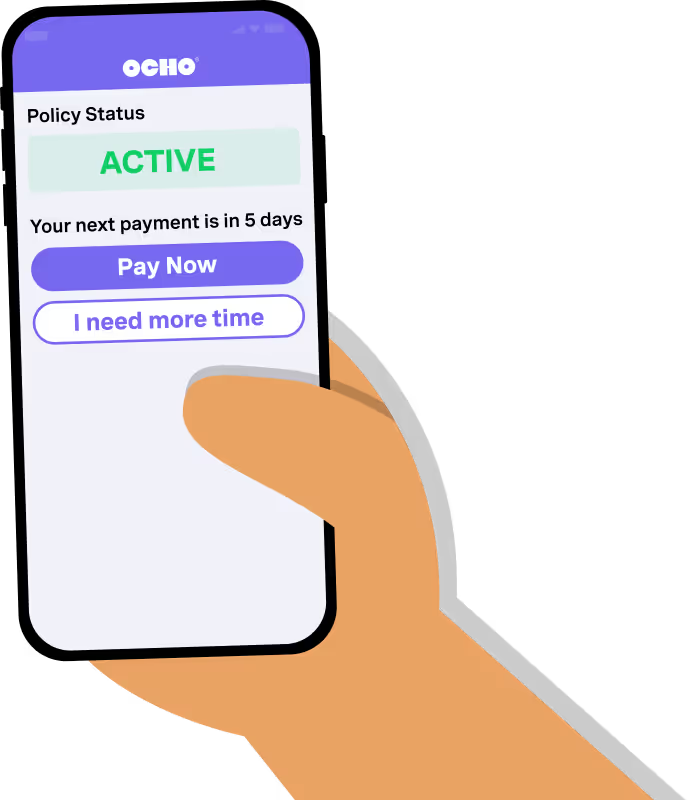
In Texas, the practical way to get a policy that actually works for you is to try OCHO for easy, free car insurance quotes. With OCHO, you get a low down payment and flexible payments that fit your budget, and tools that explain exactly how OCHO works, including OCHO Pay and PriceCheck. You can ask for extra time to pay so you don't need to cancel and restart a policy - which only ends up being more expensive and creates unnecessary costs.
Here's how it works:
If your car will sit parked off public roads for a while, some insurers allow a "comprehensive-only" option - you keep comprehensive coverage to protect against theft, hail, and vandalism while suspending liability and collision coverage. This can save you money during storage periods.
Keep in mind: cancelling early may involve a small cancellation fee with some insurers, but most Texas companies refund the unused premium on a pro-rata basis. And never cancel a policy while the car is still registered and being driven - that's driving uninsured, and Texas law doesn't look kindly on that.
Early cancellation is almost always allowed in Texas, but your insurance company may charge a flat cancellation fee or short-rate penalty. You can cancel a six-month policy early for a refund. Most insurers return the unused portion of your premium, calculated from the effective cancellation date.
Here's where it gets tricky: frequent policy starts and cancellations can make some companies view you as higher risk, potentially affecting future rates. A temporary car insurance policy may create a coverage gap that affects future insurance rates. Coverage gaps can occur once temporary insurance expires.
Avoid any lapse in coverage if you own a car. Gaps in insurance history can raise prices significantly when you later purchase a new policy - Texas tracks this through the TexasSure electronic verification system.
One more thing: always obtain written confirmation of your cancellation and keep that proof for at least a year. If there's ever a dispute about when coverage ended, you'll want documentation on your side.
There's no separate "temporary" price table. Costs are usually a slice of a standard six-month premium plus any applicable fees. Temporary insurance can be more expensive than standard policies on a per-day basis because many fixed fees are front-loaded.
Realistic 2026 ranges for Texas:
Cost comparison example: Renting a car in Austin for a 5-day business trip with rental coverage at $25/day = $125 total. Using a six month policy on your own car for just one month might cost $115–$150 but gives you broader coverage and a vehicle you control. When renting a vehicle, daily insurance can be purchased directly from the rental car company. Renters should check if their credit card offers rental car coverage before purchasing additional insurance.
Factors influencing temporary insurance costs include driving history and vehicle type, along with several other variables:
Very short usage (one month of a six month policy) may feel expensive because fees are front-loaded. Adding a temporary driver to an existing Texas car insurance policy - say a visiting relative or family member - can sometimes be cheaper than writing a brand-new policy.

When you can't or don't want to buy a separate temporary policy, several alternatives provide short term coverage:
Each option has different rules on who is covered, what types of damage are paid, and whether physical damage to the car itself is included. Always confirm coverage details in writing before relying on any alternative - assumptions don't pay claims.
Pay-per-mile insurance charges based on actual miles driven. You pay a low base rate plus a per-mile charge, tracked through a device or mobile app, similar in spirit to OCHO’s pay as you go car insurance with flexible, predictable payments.
This can function like short term insurance for Texans who drive occasionally - remote workers in Dallas, retirees in San Antonio, or anyone who doesn't use a car regularly. A driver who logs only 400 miles in a month might pay significantly less than someone commuting daily.
Coverage is still a standard auto policy (liability, comprehensive, collision) but priced to reward low mileage. Availability may be limited to certain insurers and Texas ZIP codes, so check whether pay-per-mile is offered in your area.
Non owner car insurance is a liability-only insurance policy for drivers who do not own a vehicle and don't have regular access to one, which can be useful if you need coverage for a limited duration without owning a car. Non-owner car insurance covers drivers without a vehicle who occasionally rent or borrow cars and typically appears as a specific option within broader car insurance coverage explained in OCHO’s FAQs.
It covers bodily injury and property damage you cause to others but not damage to the car you're driving, and some insurers may also offer underinsured motorist coverage. Scenarios where non-owner coverage makes sense: Texans between cars, city residents who mainly use rentals or car-shares, or people needing continuous liability proof for an SR-22 filing.
Non owner policies are often cheaper than a full standard auto policy, making them a cost effective alternative to temporary car insurance for certain drivers. But remember: non-owner insurance usually does not cover vehicles you own or have regular access to, such as a spouse's car you drive every day.
In Texas, car insurance follows the car. The vehicle owner's policy is generally primary when someone else drives with permission. Permissive driver coverage allows temporary addition to another's policy in many cases.
Permissive use means occasional, infrequent borrowing of a friend's car with their consent - and it's often covered automatically by their auto insurance. But if you're driving a friend's car frequently (every day for a month, for example), their insurer may require you to be added as a listed driver on the car insurance policy.
Here's how liability works: bodily injury and property damage claims typically go through the owner's policy first. If you have your own insurance, it might act as secondary coverage. But if you carry only non-owner insurance, it generally won't cover damage to the borrowed vehicle itself.
Before assuming all short term use is covered, have the car owner check with their Texas insurer. Some policies restrict permissive use or add surcharges after claims.
Here's a clear plan for Texans who need coverage for only a short time. First, decide whether you actually need your own policy or if you can rely on someone else's. Second, get free auto insurance quotes and compare them smartly for a six month policy - ask specifically about cancellation and refund rules or look at Texas car insurance options tailored for flexible, affordable coverage. Third, set a reminder to cancel when you no longer need the car to avoid paying for coverage you don't use.
Contact a licensed insurance agent in Texas to help compare multiple companies and find flexible policies, or review OCHO’s frequently asked questions about its insurance products, pricing, and payments so you know what to expect. You'll need to provide your full name, Texas driver's license number, address, vehicle identification number (VIN), estimated annual mileage, and intended usage.
Many insurers can issue a car insurance policy the same day by phone or online, enabling immediate legal driving once payment is made. For international visitors driving in Texas who need proof of insurance quickly, working with a licensed agent who handles non-standard policies is usually the best option.

Can I get one-day car insurance in Texas? No. Major insurers rarely offer official short-term insurance policies in Texas. No licensed major carrier sells one-day policies. Your best option is a standard policy you can cancel early, rental coverage, or non-owner insurance.
Does my Texas policy cover me when I rent a car? Often yes - if your personal auto policy includes rental coverage. But many policies don't cover rental damage, so you may want supplemental insurance from the rental company. Most rental companies offer their own coverage options. Rental car insurance is available through rental companies directly.
Do I need temporary insurance to test-drive a used car? Yes. If you're test driving on public roads, you must have liability coverage. The seller's insurance may cover the test drive, but verify first. If you don't own a car, a non-owner policy can help.
How do SR-22 requirements affect short term coverage? If you require coverage under an SR-22 filing, you must maintain continuous liability. Cancelling a policy tied to an SR-22 can trigger DMV penalties or registration suspension. Keep your long term policy active for the full required period.
What happens if I let my policy lapse? Gaps are reported through TexasSure. Even a short lapse raises future rates, creates issues registering your vehicle, and exposes you legally. Temporary car insurance requires careful consideration of coverage needs and gaps.
What documentation should I keep in my glove box? Always carry proof of insurance (showing policy number, insurer, and policy period), vehicle registration, and your driver's license. If borrowing a car, keep documentation that the owner's policy covers permissive use.
Can I get temporary insurance if I'm visiting Texas from out of state? Your home state insurance may cover liability in Texas - verify with your insurer. If not, you may need a non-owner policy or rental insurance valid in Texas.
Temporary car insurance in Texas doesn't have to be a maze. The system isn't set up for short term buyers, but now you know exactly how to work within it. Whether you need coverage for a short time while borrowing a vehicle, covering a new car purchase, or handling a seasonal security need, the right plan is out there.
Ready to find coverage that fits your life - not the other way around? Get started with OCHO today and skip the headaches of navigating this on your own.
Compare & get covered fast
Find and compare auto insurance in minutes, and get your free credit score.
Choose when you pay
Select payment dates that line up with your payday.
Manage everything in one place
Track your policy, manage payments, and request a payment extension right from your dashboard.




.svg)