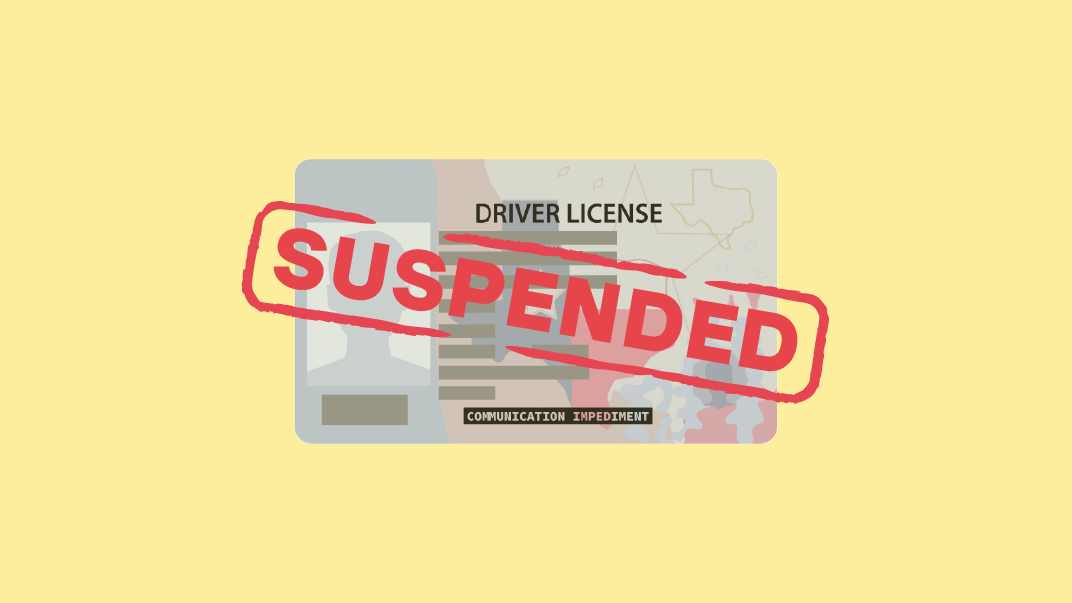
Every year, millions of American drivers face license suspensions, and most of them still own vehicles that need protection. Whether you caused an accident, accumulated too many points, or missed a court date, understanding suspended license insurance coverage is critical for getting back on the road legally.
A driver's license suspension means you’ve temporarily lost the legal right to operate motor vehicles on public roads due to a legal or administrative action. This isn’t the same as a revoked license, where you’d need to completely reapply as if you were a new driver. With a suspension, your driving privileges can be restored once you meet your state’s requirements, which almost always includes proof of insurance coverage.
During a suspension, some states may allow for a hardship or restricted license, which permits limited driving, such as to work or school, while your full privileges are suspended.
License suspension impacts your car insurance significantly. A suspension can lead to increased insurance rates, changes in coverage options, and may affect your eligibility for certain policies. Insurers view suspended drivers as higher risk, which often results in a higher rate for your premiums.
Some insurers may choose not to renew or may even cancel your policy after a suspension, and if they do continue coverage, you will likely face a higher rate due to the increased risk associated with a suspended license.
Licenses get suspended for a wide range of reasons, and they fall into two general categories:
Serious Driving Violations:
Administrative or Financial Reasons:
Here’s the thing insurers don’t always make clear: a suspended license doesn’t automatically cancel your existing insurance policy. However, once your carrier sees the violation on your motor vehicle report, they may choose to non-renew or cancel at the next renewal period. This is especially true for serious violations like DUI or reckless driving.
The timeline for how long a suspension affects your insurance rates depends on the severity:
Even when you can’t legally drive, you still have financial exposure as a vehicle owner. If someone else drives your car with permission, if your vehicle is damaged in a storm, or if it’s stolen from your driveway, you need coverage in place.
Yes, but it’s complicated.
Most standard insurers strongly prefer applicants with active, valid licenses. That said, there are legitimate workarounds that can keep you protected, or help you get coverage for the first time while dealing with a license suspension.
When your license is suspended while you have an active applicable insurance policy, your insurer may keep it in force through the current term. This is especially likely for non-serious suspensions like unpaid fines. However, expect your car insurance rates to rise substantially at the next renewal, and be prepared for possible non-renewal.
Starting from scratch while suspended is harder. Here’s what typically happens when you contact insurance companies: how to reinstate car insurance after cancellation.
Add another licensed driver as primary: If you have a spouse, partner, or adult child with a valid driver’s license, they can be listed as the primary driver on the policy. In some cases, adding them as a co-owner on the vehicle title helps satisfy underwriting requirements.
Seek out non-standard insurers: Companies like Bristol West and other high-risk specialists are more likely to write policies for suspended drivers than standard carriers focused on preferred risks. These insurers handle SR 22 filings regularly and understand the market. Comparing quotes from multiple providers can help you find cheap car insurance, even with a suspended license.
Consider non-owner car insurance: If you don’t own a vehicle but need to satisfy a state financial responsibility requirement, you can purchase non-owner coverage. This provides liability protection when you drive borrowed or rental cars and often costs less than traditional policies. Choosing a non-owner policy can help you save money compared to traditional car insurance if you don't own a vehicle.
The process differs depending on whether you already have a policy or need to start from scratch. Either way, act quickly after receiving your suspension notice from your state’s department of motor vehicles, delays can lead to lapses that make everything more expensive.
If you already have car insurance when your license is suspended:
If you need to secure a brand-new policy while suspended:
When you own a vehicle but can’t legally drive it:
(For more details, see Can You Have Two Car Insurance Policies? Here's What You Need to Know.)
If you have a car loan on a 2023 or 2024 model vehicle, your lender almost certainly requires full coverage including comprehensive and collision. Dropping this coverage during your suspension period could trigger:
Keep your lender informed and maintain the required coverage even if the car sits in your garage.
Let’s clear up a common misconception: an SR-22 is not an insurance policy. It’s a certificate, a form your insurer files with the state proving you carry at least the required minimum liability coverage. Think of it as a promise from your insurance provider to the government that you’re financially responsible.
States require drivers to file an SR-22 after certain events that suggest elevated risk:
Most states require you to carry insurance and maintain an SR-22 filing for approximately 3 years from your reinstatement date. Some states extend this requirement after multiple offenses. Any lapse during this suspension period can restart the clock entirely.
FR-44 is similar to SR-22 but applies only in Florida and Virginia. The key difference? It requires higher liability limits than the state minimum, typically around $100,000/$300,000 for bodily injury liability after DUI or other serious offenses.
This means FR-44 policies cost substantially more than standard SR-22 coverage, not just because of your high-risk status but because you’re carrying higher liability limits.
The actual SR-22 filing fee is relatively low, usually around $15-$25 per filing. But the impact on your premiums is significant because the underlying policy is rated as high risk.
Here’s the process:
A suspension signals to insurers that you’re an elevated risk. And in an industry built on risk assessment, that translates directly into higher premiums, often for several years after your license is reinstated.
Several factors influence how much more you’ll pay:
Based on industry data, here’s what suspended drivers typically face:
Full coverage:
That’s nearly double the cost for someone with a major suspension-related violation compared to a driver with no incidents.
Many insurance companies will move a suspended driver to a high-risk rating tier or simply non-renew at the next policy term. This forces you to seek coverage from non-standard carriers, which typically have:
Over time—typically 3-5 years of clean driving post-reinstatement—the surcharge for your suspension can gradually diminish. The key is avoiding new tickets, claims, or lapses during this recovery period. Maintaining continuous coverage, even while your car is stored, helps demonstrate to future insurers that you’ve stabilized as a risk.
Premiums after a 2023-2025 suspension can seriously strain your budget. But there are specific tactics that can help you find affordable insurance, or at least make the high-risk period more manageable.
Don’t settle for the first quote you receive. Contact at least three to five insurers, including:
Many insurance companies have vastly different appetites for risk. What one company considers uninsurable, another considers their target market.
If you don’t own a car but need to carry insurance to get your license reinstated, a non-owner SR-22 policy can be significantly cheaper than insuring a vehicle. This covers your liability when driving borrowed or rental cars and satisfies state requirements without paying bills for coverage you don’t need.
Even high risk drivers can sometimes access discounts:
If you’re not driving during your full suspension period, consider:
This approach requires coordination with both your DMV and any lender, but it can substantially reduce insurance costs during the months you genuinely can’t drive.
Let’s be direct: driving on a suspended license is illegal in every U.S. state. And if your original suspension followed a DUI or reckless driving conviction, getting caught again is treated even more seriously. This isn’t something you can talk your way out of.
If you’re caught driving during a suspension, you may face:
Being in a crash while driving on a suspended driver’s license creates severe financial risk:
If you receive a citation for driving on a suspended license, consult a local traffic or criminal defense attorney who understands your state’s statutes. They can discuss options like:
Even if friends or family pressure you to “just drive this once,” the cumulative risk to your record, your wallet, and your insurance future simply isn’t worth it. The law treats this as a serious offense, and so do insurers.
Q: Can I switch car insurance companies while my license is suspended?
Switching is possible but more limited than under normal circumstances. Many insurers will require you to be an excluded driver or to show a restricted license before they’ll write a new policy. The smartest approach: get your new coverage formally in place before canceling your old policy. This avoids any gap in coverage history, which would make your situation even more expensive.
Q: Do I need insurance if my car is stored and not driven during my suspension?
If the car remains titled and registered in your name, many states and lenders still require some level of coverage. However, you may be able to carry comprehensive-only (storage) coverage, which protects against theft, fire, and vandalism while the vehicle sits in your garage. This costs significantly less than a full policy with liability and collision. Check with your state’s department of motor vehicles and your lender before making changes.
Q: How long will the suspension affect my car insurance rates after my license is reinstated?
For most drivers, the main premium impact lasts 3-5 years after reinstatement. DUI-related suspensions can influence rates for up to 7-10 years, depending on state law and insurer underwriting guidelines. The good news: each year of clean driving with no new violations helps improve your risk profile and gradually lower rates.
Q: Can I be listed as a driver on someone else’s policy while my license is suspended?
Most insurers will not list a currently suspended driver as an active driver on any policy. The standard approach is to exclude you while insuring the vehicle under a fully licensed household member. Always disclose your suspension honestly, misrepresentation on an application can void coverage entirely and create serious problems if you need to file a claim.
Q: Will an SR-22 automatically fall off my policy once my obligation period ends?
No. In most states, you must proactively ask your insurer to remove the SR-22 filing after you satisfy the required period (typically 3 years). Your premiums may not drop immediately, but they should improve at the next renewal or as violations age off your record. Set a calendar reminder for when your SR-22 period ends and follow up with your carrier.
Compare & get covered fast
Find and compare auto insurance in minutes, and get your free credit score.
Choose when you pay
Select payment dates that line up with your payday.
Manage everything in one place
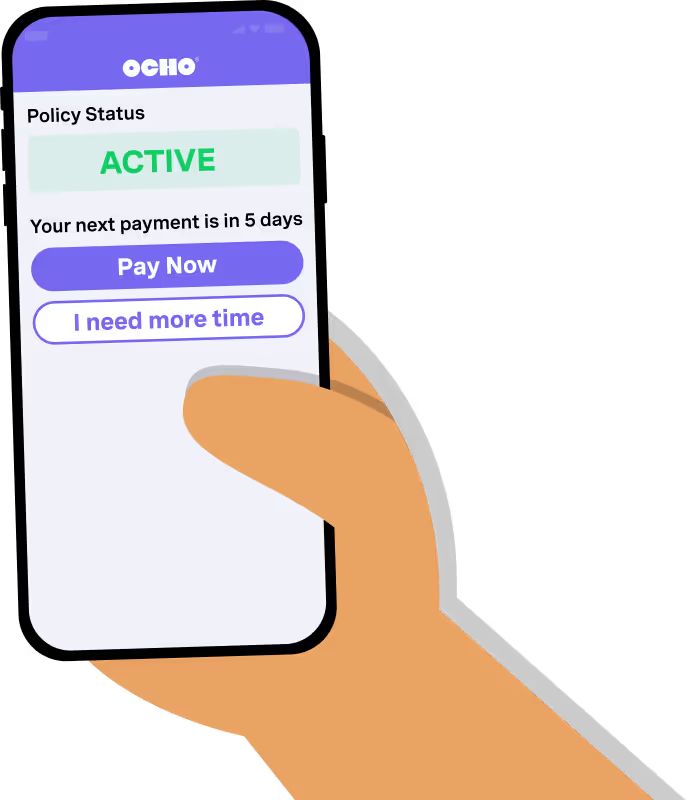
Track your policy, manage payments, and request a payment extension right from your dashboard.




.svg)